
Moving tips
Moving During Hurricane Season in Florida
The Atlantic hurricane season runs from June 1 to November 30. Plenty of people move during those months without trouble. A little planning keeps a storm or a summer downpour from wrecking your moving day.
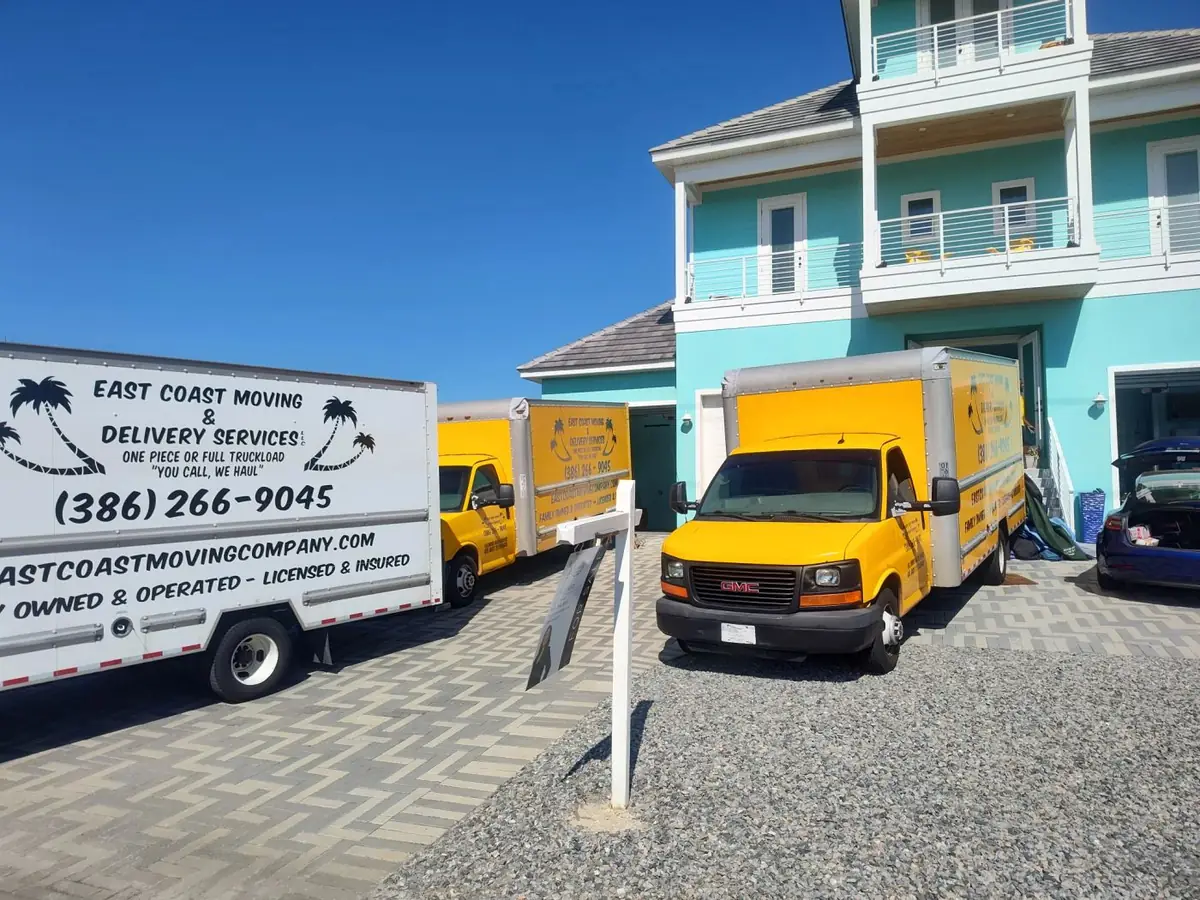
- Family owned & operatedNot a franchise
- 25+ years movingLocal to Florida’s east coast
- Licensed & insuredYour belongings are protected
- Fla. Mover Reg. IM2982Registered with FDACS
Pick your date with some flexibility
The busiest part of the season is usually August through October. If you can choose, keep a backup date in mind and ask your mover how they handle weather delays.
Closing on a house? Ask your realtor and lender what happens to your closing if a storm shuts things down. Insurance companies may also pause new policies when a storm is approaching, which can delay closings.
Watch the forecast the week of the move
- Follow the National Hurricane Center (nhc.noaa.gov) and your county’s emergency management office for official information.
- Know your evacuation zone at both the old home and the new one. Flagler, Volusia and St. Johns counties each publish their zones.
- If a tropical storm or hurricane threatens, safety comes first. We’ll work with you to move the date.
Pack for Florida weather
- Use plastic bins with lids for documents, photos and anything that can’t get wet.
- Put electronics in their original boxes or wrap them well, and keep them off the floor of the garage.
- Don’t leave packed boxes in a garage or carport that floods.
- Keep a waterproof folder with insurance papers, IDs, your lease or closing documents and an inventory of valuables.
Beat the summer heat and afternoon storms
From June to September, afternoon thunderstorms are common along the coast. We like early starts so most of the loading is done before the rain. Lay down floor protection at both homes, keep the A/C running, and keep water handy for everyone helping.
Lightning means the crew pauses outdoor carries until it passes. It doesn’t happen often, but build a little extra time into your day.
Get the new home ready
- Find out whether the new home has hurricane shutters or impact windows, and where the shutters are stored.
- Check the home insurance and flood insurance situation before you move in. Flood is usually a separate policy.
- Put together a basic hurricane kit: water, non-perishable food, flashlights, batteries, medications and a first-aid kit.
- Learn where the main water shutoff and electrical panel are.
Want a hand? We’re a local, family-owned mover with over 25 years of experience. Call or text Tom at 386-266-9045 or get a free quote.